Sonar / Depth Reading

The art of reading nature.
Calm & adrenaline.

Fishing is not really about how big the fish you land is. It is a philosophy of reading nature, training patience, and finding calm in every tug on the line.

Navigation

Want to go fishing? Start here.

Five steps that hold whatever fish you are after. No gatekeeping, no jargon.

  1. 01

    Learn the Techniques

    Study every technique from bottom fishing to trolling, complete with its gear specifications.

  2. 02

    Find a Setup

    Assemble a complete set: rod, reel, line, leader, hooks, and bait.

  3. 03

    Find a Fishing Spot

    Know the habitat: deep offshore, reefs & surf, estuaries, or lakes and rivers.

  4. 04

    Pick Your Target Fish

    Learn the habits and weaknesses of your quarry before you cast.

  5. 05

    Go Fishing

    The gear is ready, the target is set. Time to head out.

BRG000°DEPTH300m
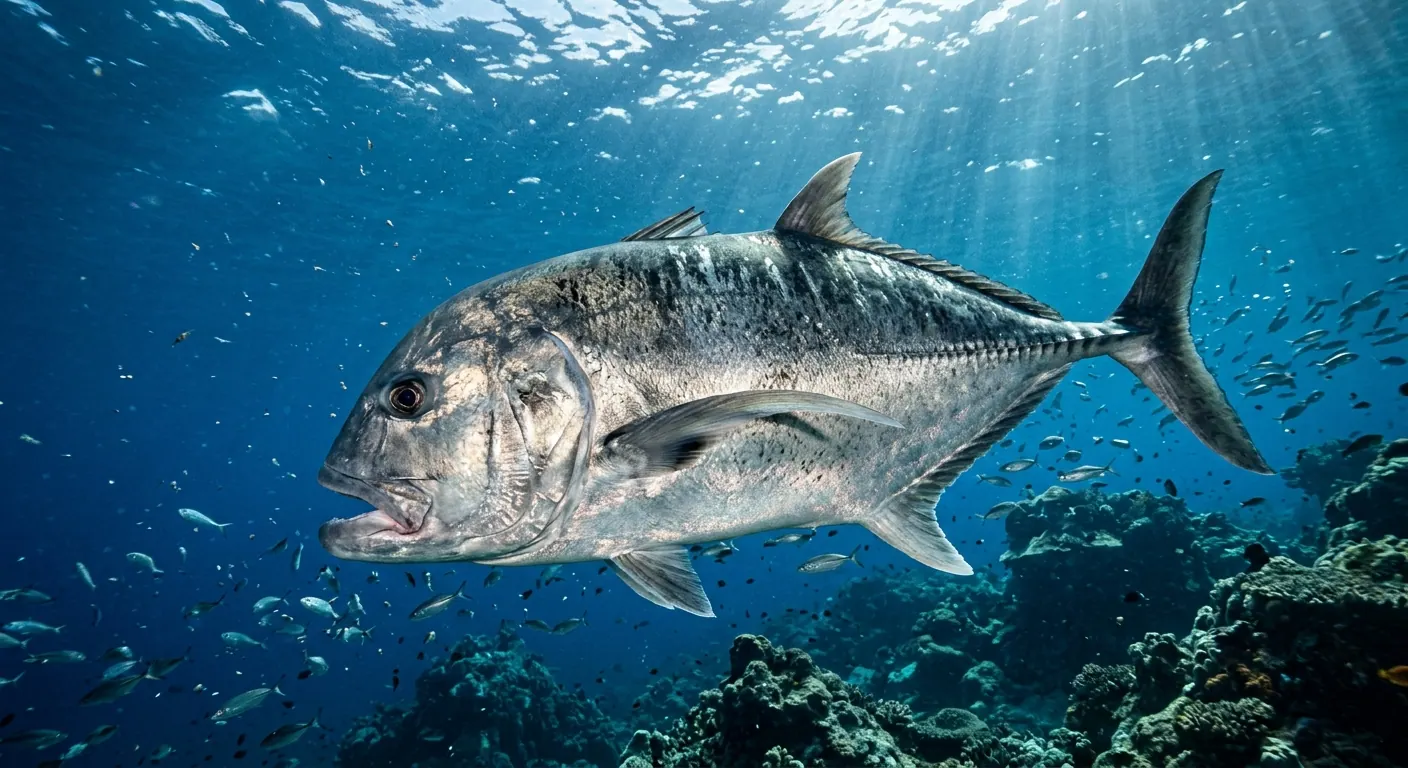
  • Giant Trevally (GT), Caranx ignobilis
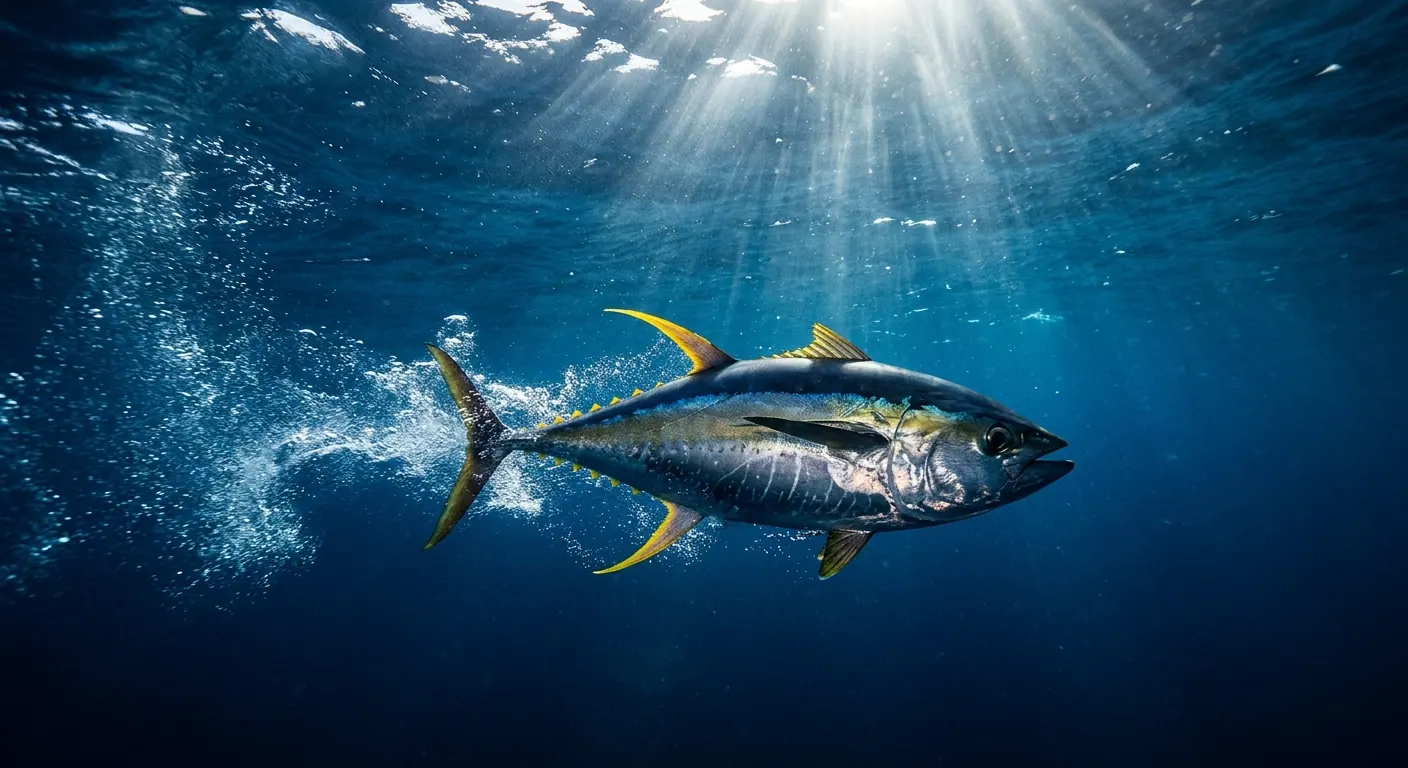
  • Yellowfin Tuna, Thunnus albacares
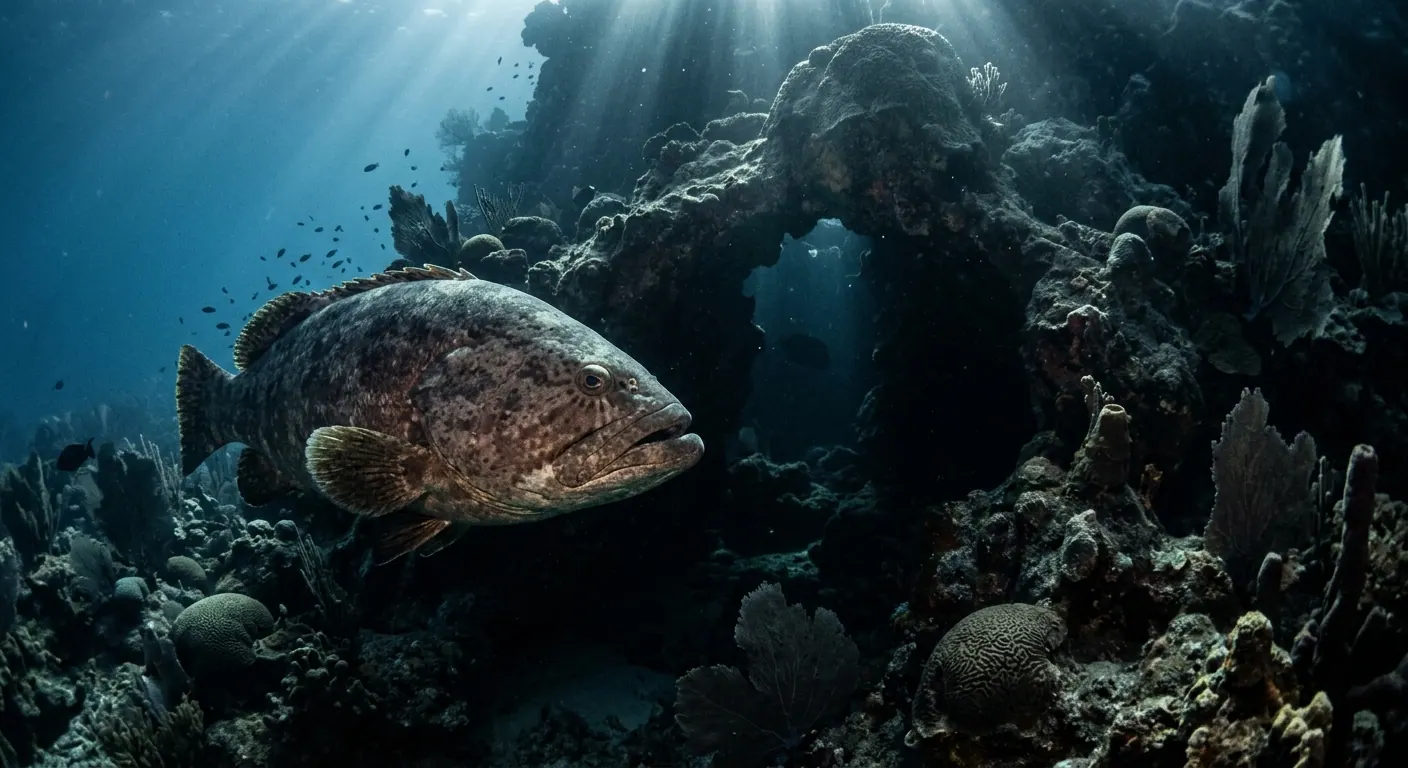
  • Monster Grouper (Kerapu), Epinephelinae
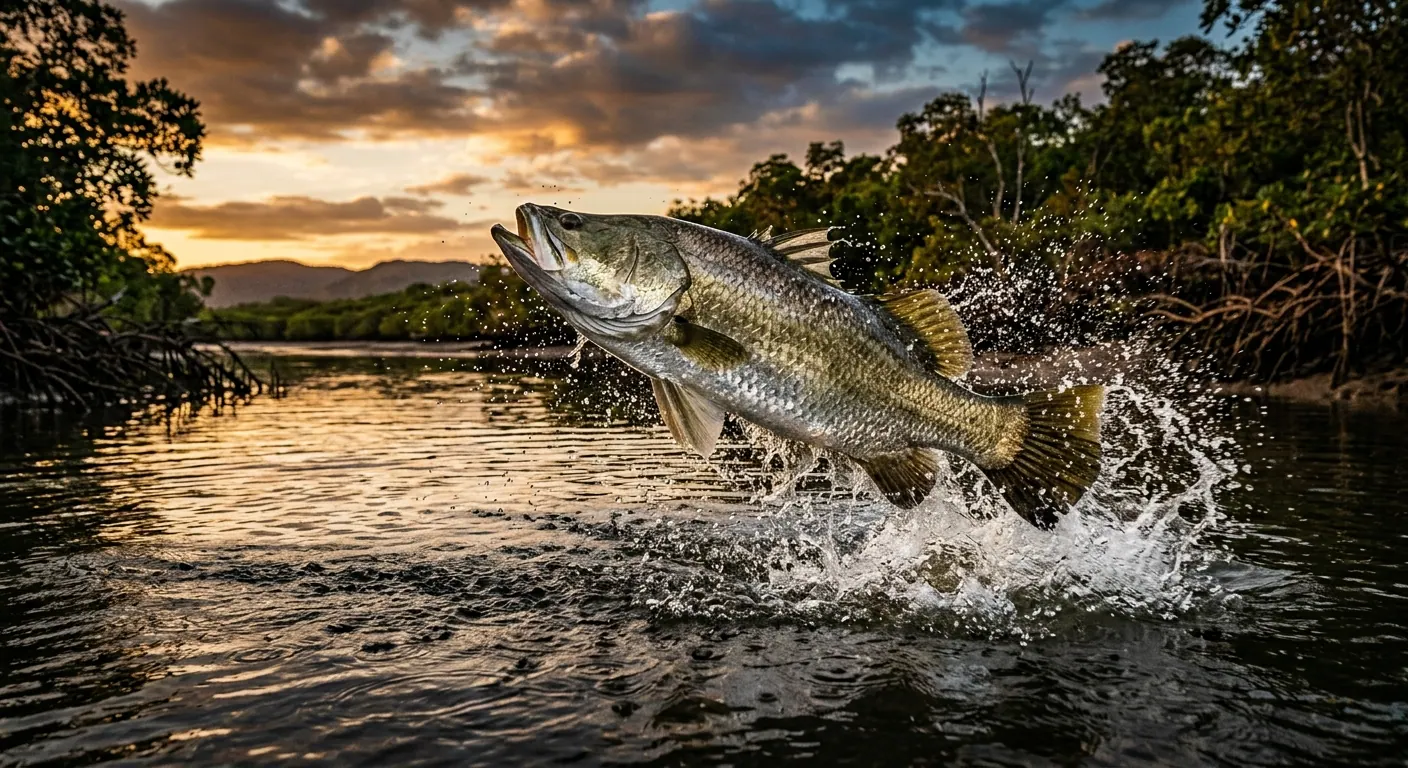
  • Barramundi, Lates calcarifer
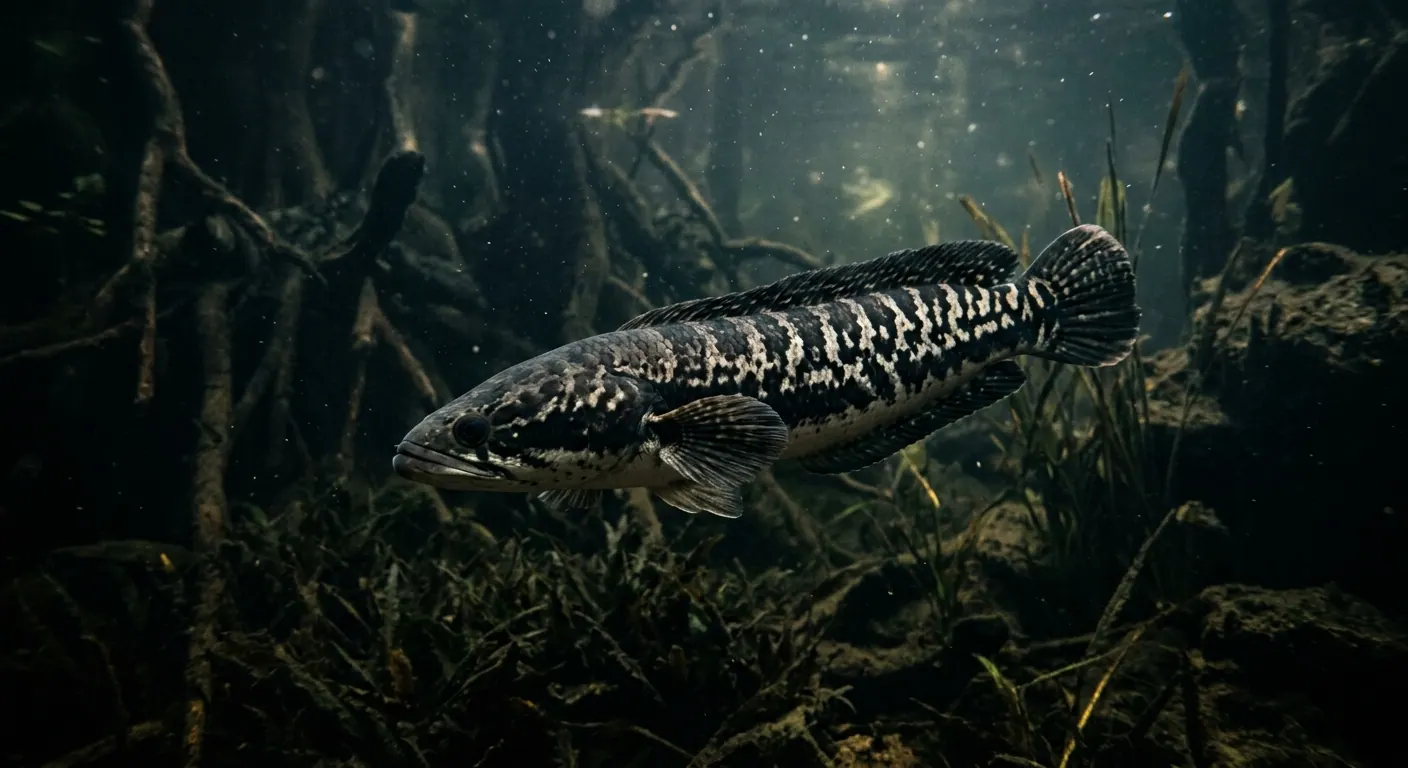
  • Giant Snakehead (Toman), Channa micropeltes
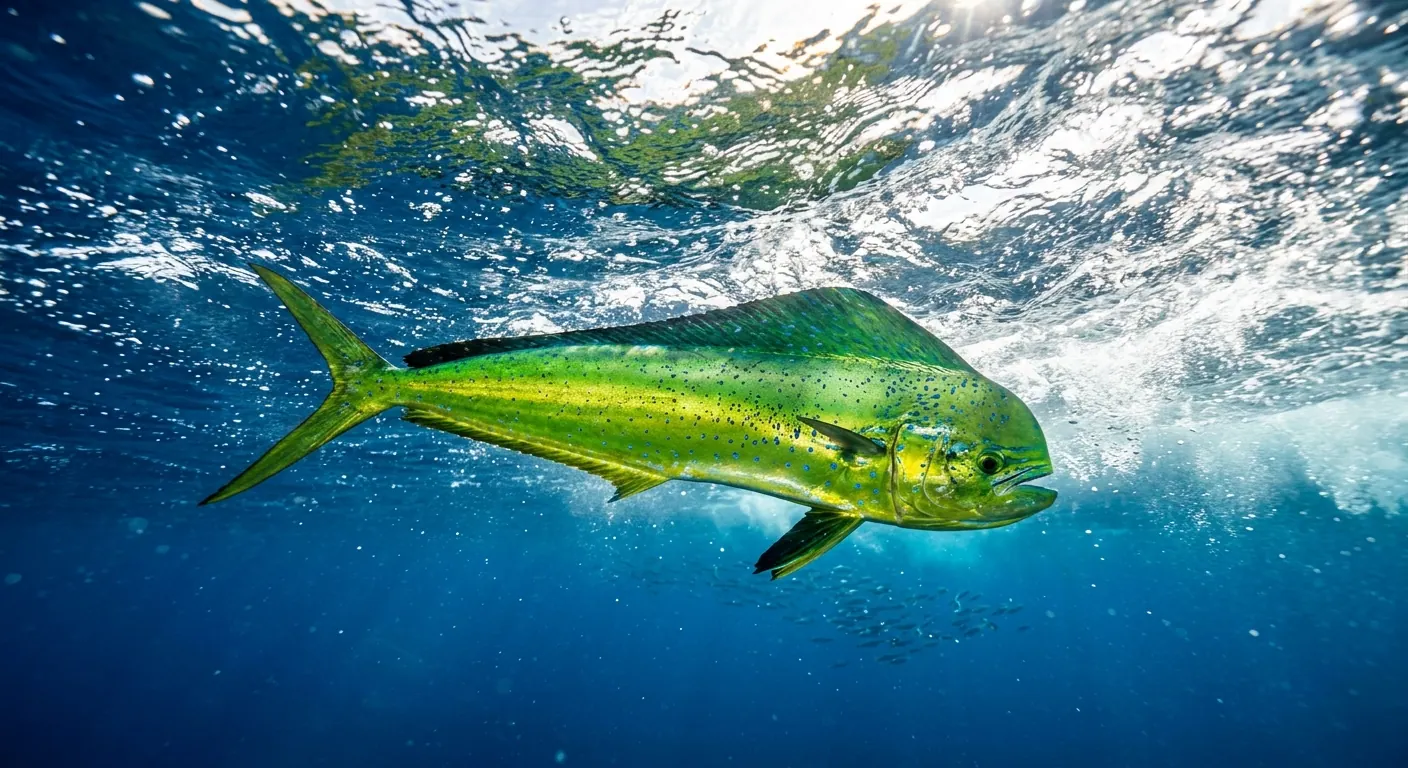
  • Mahi-Mahi (Dorado), Coryphaena hippurus
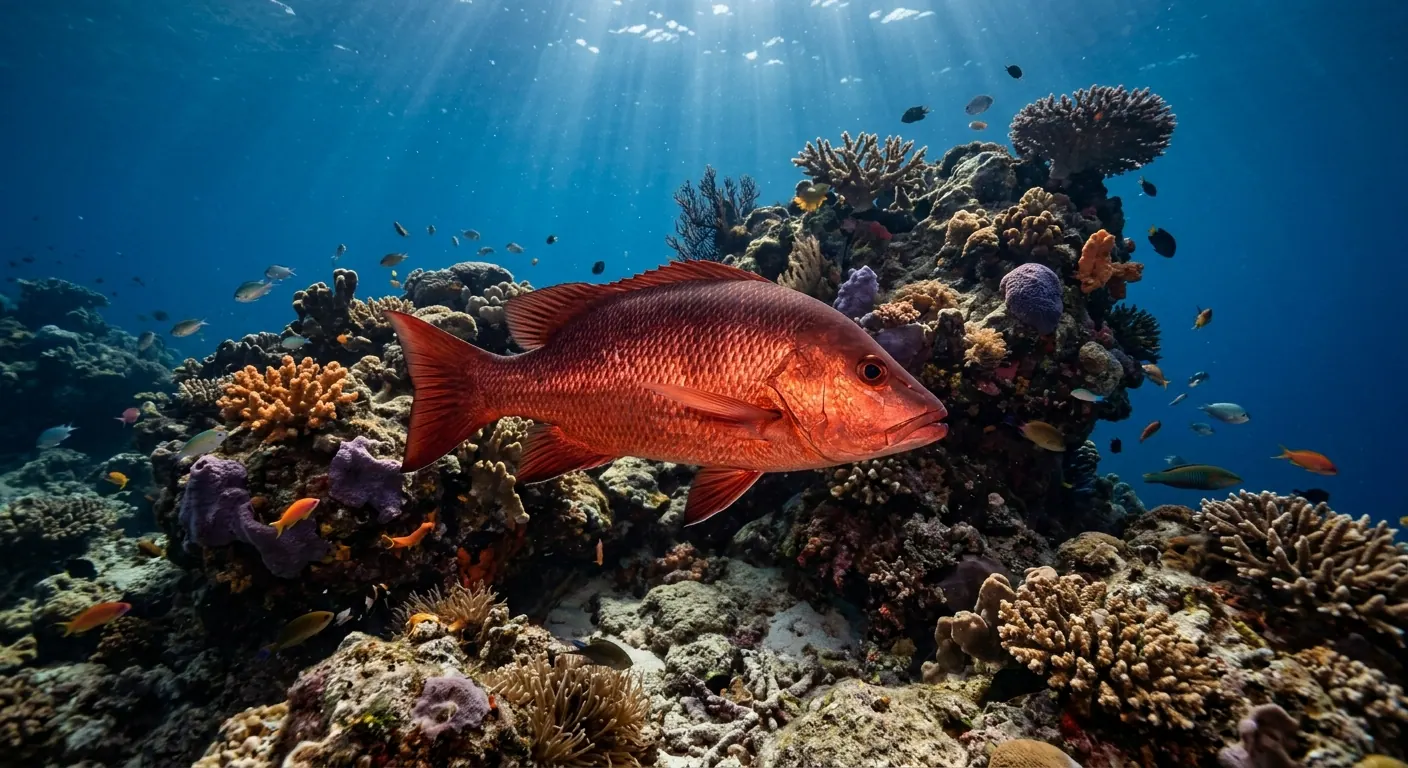
  • Red Snapper (Kakap Merah), Lutjanus campechanus
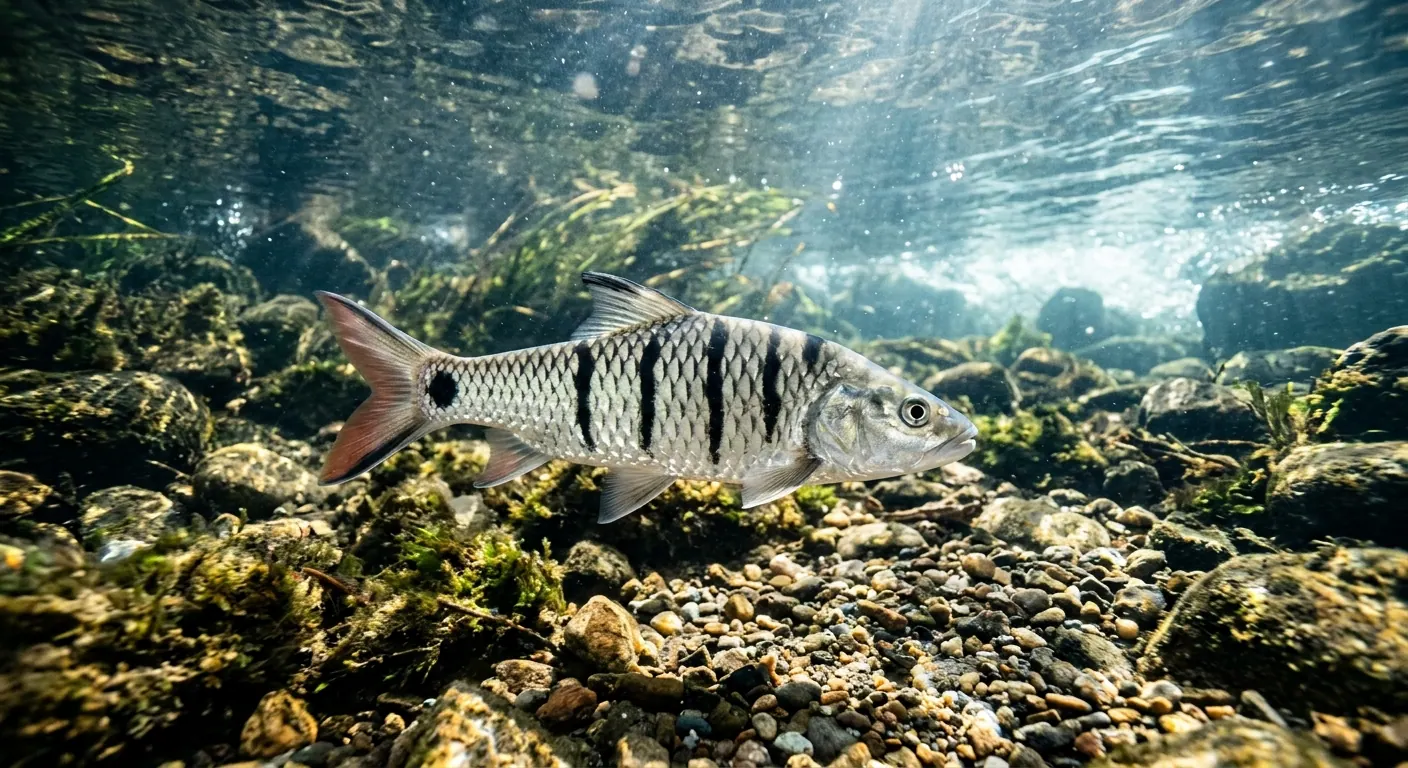
  • Hampala (Jungle Perch), Hampala macrolepidota

Active Sonar

What cannot be seen
is not assumed to exist.

Fishing works on echoes. Every signal that returns to the transducer carries news of what is out there — position, size, distance. On a monitor you work with exactly the same data: architecture, latency, uptime.

Sonar works because it does not guess. It transmits, waits, then compares what returns against what was expected. Patience is not boredom here; it is the method.

Knowledge Base

Learn the techniques.

Understand the character of each water and master the right technique to overcome every challenge.

Architecture

Fishing setup builder.

Pick a technique below, then read the full specification of every component: rod, reel, line, leader, hooks, down to the bait.

Dasaran (Bottom)

The purest fishing technique there is, and still one of the most effective. The idea is to let the bait sink with a lead weight (sinker) until it touches the bottom. It works with the natural behaviour of bottom feeders (demersals) that hunt around reefs, drop-offs, and sand flats. The key to success is reading the structure of the current below and feeling the vibration of a bite at the rod tip.

Bottom Fishing Gear

Rod
1.8m - 2.1m (Medium-Heavy), Solid Carbon Tip for high sensitivity.
Reel
Spinning 4000 - 6000 or Overhead (OH) with a strong drag.
PE Line
PE 3 - PE 5 (Multi-colour to monitor depth).
Leader
Fluorocarbon 40lbs - 60lbs (abrasion resistant against coral).
Hooks
Circle Hook / Baitholder size 1/0 - 5/0 (paternoster or tandem rig).
Accessories
Sinkers (J2-J5), stainless steel swivels.
Bait
Sliced mackerel, whole squid, live prawn, or sliced fillet.

Target & Habitat

Most effective on coral reefs, FADs, offshore drop-offs, and deep piers.

Target Fish

  • Grouper
  • Red Snapper
  • Yellowtail Scad
  • Emperor

Casting

The art of working artificial lures. You cast the lure to a strategic point — mangrove roots, rocks, gaps in the reef — then retrieve it with various actions (jerking, twitching). The goal is to make the plastic or wood look like a wounded fish or fleeing prey, triggering a predator's aggressive, territorial instincts.

Casting Gear

Rod
1.8m - 2.1m, Medium-Light to Medium action (Fast Taper), light enough to cast hundreds of times.
Reel
Baitcasting (BC) 7.1:1 ratio or faster, or Spinning 2000 - 3000.
PE Line
PE 1 - PE 2 (thin so it does not fight the wind on long casts).
Leader
Fluorocarbon 20lbs - 30lbs (1 to 1.5 metres long).
Hooks
Treble Hook 3X/4X strong, size #4 to #8, or Single Inline hooks.
Lures
Minnow (sinking/floating), Pencil, Stickbait, Soft Lure (Froggy), Crankbait.
Accessories
Lure snaps (so the lure action stays fluid).

Target & Habitat

Swamps, fast river banks, mangrove forests, coastal rocks (rock fishing).

Target Fish

  • Barramundi
  • Snakehead (Toman)
  • Hampala
  • Black Bass

Jigging

Jigging is an all-out physical fight with pelagic predators and the dwellers of the deep. A heavy slab of metal (Metal Jig) is dropped straight down from the boat to the bottom, then worked upward in rhythm (pitching) with a purpose-built rod. The jig shooting upward imitates a squid or small fish fleeing for the surface.

Jigging Gear

Rod
Very short and stiff (1.5m - 1.8m), PE 3-6 for Speed Jig, PE 1-3 for Slow Pitch Jigging.
Reel
Deep-water Overhead (OH), or Spinning 6000 - 10000 with a strong drag system (Max Drag 15kg+).
PE Line
PE 3 - PE 6 (Multi-colour X8). You must know the depth to stop the jig in front of the school.
Leader
Fluorocarbon 50lbs - 80lbs (very long, at least 4 to 8 metres).
Hooks
Assist Hook size 3/0 - 7/0 on unbreakable kevlar thread with shiny pearl dressing.
Lures
Metal Jigs from 80 grams (Light) to 500+ grams (Heavy). Asymmetric or leaf shape.
Accessories
Heavy split rings, stainless solid rings, a Gimbal fighting belt to brace the rod.

Target & Habitat

Open ocean (Offshore), deep water from 50 metres to 300+ metres down. Around oil rigs or undersea canyons.

Target Fish

  • Amberjack
  • Dogtooth Tuna
  • Ruby Snapper
  • Escolar

Popping

The peak of tropical sport fishing adrenaline. A big wooden lure (Popper) is cast over rough coral water, then ripped (swept) hard so the cupped mouth spits water. The explosion and the loud "Pop!" on the surface provoke giant fish to come up and destroy your lure in plain sight.

Popping Gear

Rod
Extremely stiff (Extra Heavy), 2.2m - 2.6m long. PE 6 to PE 10 rating (casts 200g loads).
Reel
Monster-class saltwater Spinning (Size 10000 - 18000+), Max Drag 20kg to 30kg.
PE Line
PE 6 - PE 10 (super-strong 8-braid).
Leader
Popping-grade Nylon Monofilament 100lbs - 170lbs (absorbs shock better than fluorocarbon). 2-3 metres long.
Hooks
Monster Treble Hooks (Size 5/0 - 7/0) in 5X to 6X Strong wire.
Lures
Wood/resin Poppers 100g - 200g (big-cup Chuggers or sub-surface Stickbaits).
Accessories
Split rings 250lbs+, cut-resistant Casting gloves, shallow-water Gimbal belt.

Target & Habitat

Shallow atolls in open ocean, converging island currents, and breaking surf.

Target Fish

  • Giant Trevally (GT)
  • Yellowfin Tuna
  • Mahi-Mahi

Trolling

The industrial method for wide open water. You pay the baited line far out behind the boat, rest the rod in a holder, and keep the boat moving at a constant 5-9 knots. The long scream of the reel clicker is the sign that a high-speed predator has taken the bait behind the boat.

Trolling Gear

Rod
Very thick and stiff (Stand-up rod), often with Roller Guides (rollers in the line guides so they do not heat up). 30lbs - 80lbs class.
Reel
Massive gold/silver Trolling Overheads (30W, 50W, up to 80W) with enormous line capacity.
Line
Thick Monofilament (50lbs - 130lbs) for its stretch against an 80km/h marlin run. Or heavy PE + mono top shot.
Leader
Wire leader for toothy fish like mackerel, or Fluorocarbon >150lbs for marlin.
Hooks
Giant single hooks (Big Game Hook) in stainless steel, size 8/0 - 12/0.
Lures
Konahead (resin head with octopus skirt), Deep Diver Minnow (long lip for 5-10m dives).

Target & Habitat

The endless open ocean (Blue water offshore), the migratory routes of the world's pelagics.

Target Fish

  • Marlin & Sailfish
  • Wahoo
  • Spanish Mackerel
  • Tuna

Pasiran (Surf)

The art of sea fishing from a sandy shore with no boat. You hurl a heavy bait like a javelin (pendulum cast) over the breaking waves as far as possible, aiming for the trough (depression) off the beach.

Surf Fishing Gear

Rod
Very long for distance. Telescopic / 3-piece 3.6m to 4.5m (Surf casting rod).
Reel
Surf-specific Spinning 6000 - 10000 with a wide spool (long cast spool).
Line
Medium Monofilament (0.30mm - 0.40mm) so it does not stiffen in the wind, or PE 2-3.
Leader
Shock leader (thick Monofilament 40lbs - 60lbs, 5 metres long) to absorb the cast's force.
Hooks
Long shank hooks, size #1 to 2/0, to hold the bait securely.
Bait / Accessories
Wire-armoured sinkers (so they dig into the sand instead of washing out). Bait: sand crabs, sea worms, sliced squid.

Target & Habitat

Sandy ocean beaches, river-mouth surf zones with heavy swell.

Target Fish

  • Stingray
  • Shore Giant Trevally
  • Queenfish
  • Small Reef Sharks

Fly Fishing

The most visual and elegant discipline in fishing. Unlike ordinary fishing where the weight of the bait pulls the line, in Fly Fishing the weight of the fly line itself carries the near-weightless fly (dressed to look like a mosquito or light insect) through the air in a wave-shaped loop.

Fly Fishing Gear

Rod
Weight-rated Fly Rod (not Lbs/PE). E.g. 5WT (freshwater), 8-10WT (saltwater / big fish). Flexible from tip to butt.
Reel
Fly Reel (Arbor). Mostly just stores the line; it does not winch the load (pulled in by hand).
Line
Fly Line (very thick, PVC coated; Floating or Sinking types) + Backing Line as reserve for long runs.
Leader
Tapered Leader (thins toward the tip) joined to a Tippet, size 0X to 6X (very fine, translucent).
Hooks & Bait
Hand-tied Flies from imitation animal fur. Dry Fly (floats) or Nymph/Streamer (sinks).

Target & Habitat

Clear rocky streams, mountain headwaters, quiet lake margins, and some fine-sand shallow salt flats.

Target Fish

  • Trout
  • Hampala
  • Tarpon
  • Bonefish

Negek (Pole)

A traditional, grounded approach with unmatched sensitivity. No reel at all: the line is tied directly to the tip of a long pole rod with no guides. The fight is a pure one-on-one, relying entirely on the flex of the rod blank.

Negek Gear

Rod
Tegek pole rod. Full Carbon so it stays light for hours. Lengths vary from 3m, 4.5m, up to 7m.
Reel
No reel. The line is tied to the tip cord along the rod.
Line
Very fine translucent Monofilament (0.15mm - 0.25mm) so wary fish cannot detect it.
Leader
The rig is a sensitive needle float (styrofoam), stoppers, and folded lead shot for balance.
Hooks & Bait
Very small single hooks (size #1 to #5) or double Garong hooks. Favourite baits: fine fresh moss, worms, tiny shrimp, or custom pellets.

Target & Habitat

Calm margins. Abandoned shrimp ponds, steep reservoir dams, lily ponds, concrete harbour jetties.

Target Fish

  • Tilapia & Milkfish
  • Rabbitfish
  • Mullet

Locations

Find a fishing spot.

Every stretch of water keeps its own secrets and its own kings. Learn the ground, master the technique, and prepare yourself and your gear as well as you can.

Deep Offshore

Deep Offshore

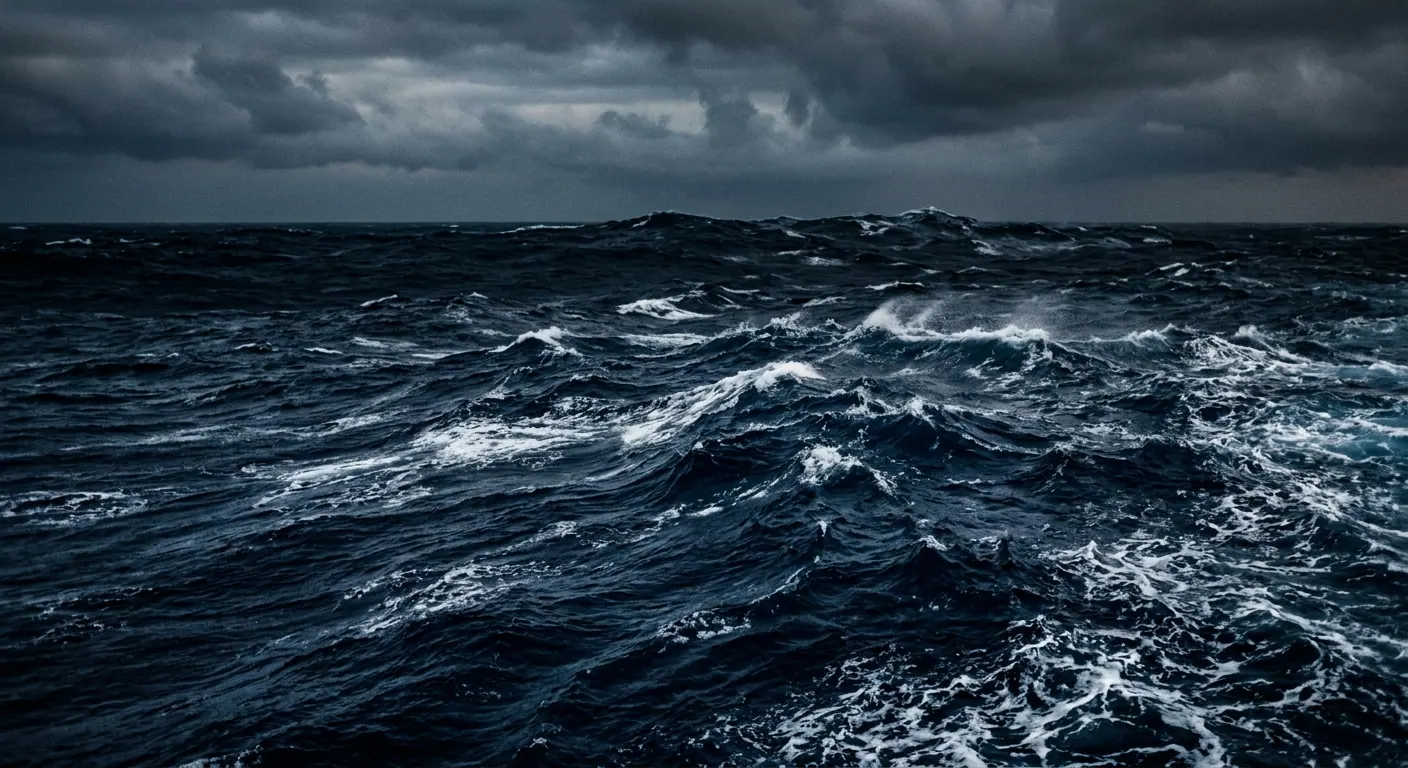
The domain of pelagic monsters. Fishing mid-ocean, over sea mounts, or around oil rigs and FADs. It takes nerves and physical stamina of steel to face bad weather, heavy seas, and hour-long extreme fights.

Best Techniques
Jigging (Speed & Slow Pitch), heavy Popping, ocean Trolling, Deep Drop Fishing.
Main Targets
Yellowfin Tuna, Marlin, Giant Trevally (GT), Amberjack, Dogtooth Tuna, Mahi-Mahi.
Preparation & Specialist Gear
Heavy Tackle (PE 5-10). A Gimbal Fighting Belt is essential to brace the rod against pulls of tens of kilograms. Bring seasickness medication (antimo/dramamine), heavy-braid Casting gloves against PE line burn, non-slip boat shoes, and offshore rain gear. Safety comes first.
Reef & Surf

Reef & Surf

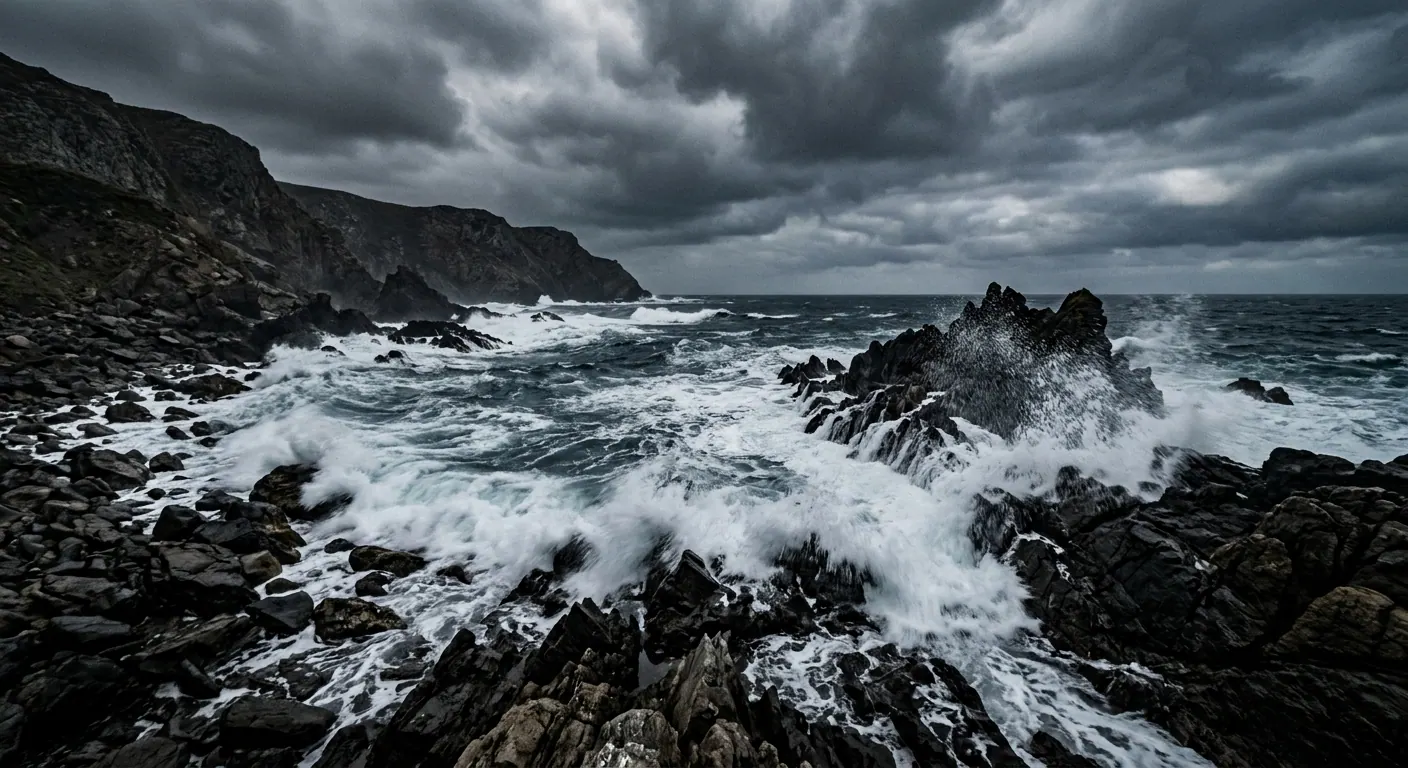
Territorial coastal waters with rocky reef structure and surf breaking on the shore. Paradise for ambush predators that use the foam to hunt small prey trapped between the coral.

Best Techniques
Pasiran (Surf Casting) on sand flats, Rock Casting (casting lures from cliffs), shore Light Jigging, Negek.
Main Targets
Shore Giant Trevally (GT), Stingray, small Reef Sharks, Grouper, Snapper, Queenfish.
Preparation & Specialist Gear
Reef Shoes / Felt Spikes are vital to stop you slipping or stepping on sea urchins. If Rock Fishing on wave-swept cliffs, a Life Jacket is mandatory against a rogue wave. Use a long Surf rod (>3.6m) to keep the line off the rocks.
Estuary

Estuary

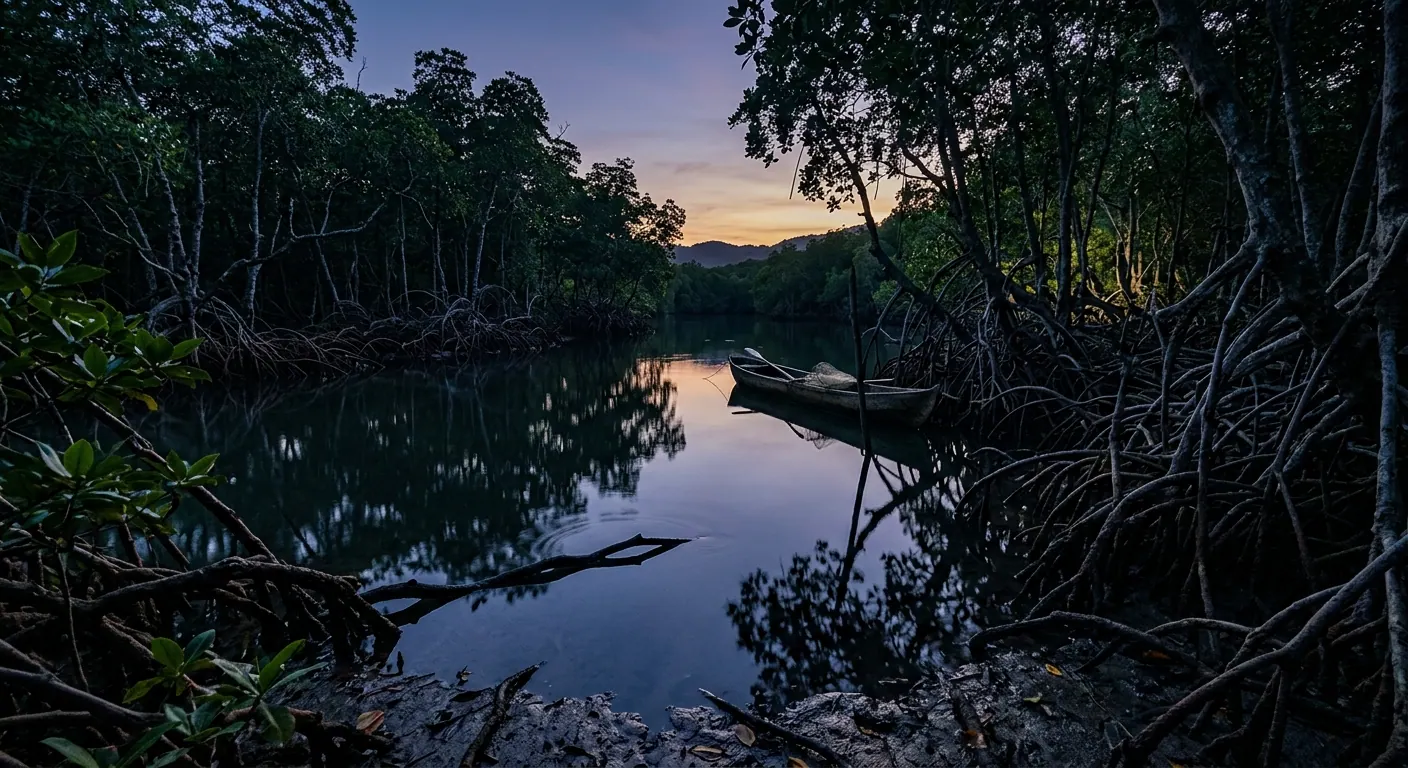
Where river fresh water meets the sea, dominated by lush mangrove forests and the tide. These brackish, nutrient-rich waters are home to predators that love a hidden ambush point.

Best Techniques
Close-range Casting (Topwater, Jerkbait, Minnow), light bottom fishing on live prawn, Fly Fishing.
Main Targets
Barramundi, Mangrove Jack, Estuary Grouper, Tarpon, Black Bass.
Preparation & Specialist Gear
Estuary fishing often needs a small wooden boat or kayak. Technically, a thick Fluorocarbon leader (40lbs+) is essential: mangrove roots are covered in razor-sharp oyster shells that cut light line instantly. Bring strong mosquito repellent, and stay alert for wild reptiles (saltwater crocodiles) in remote spots.
Lake & River

Lake & River

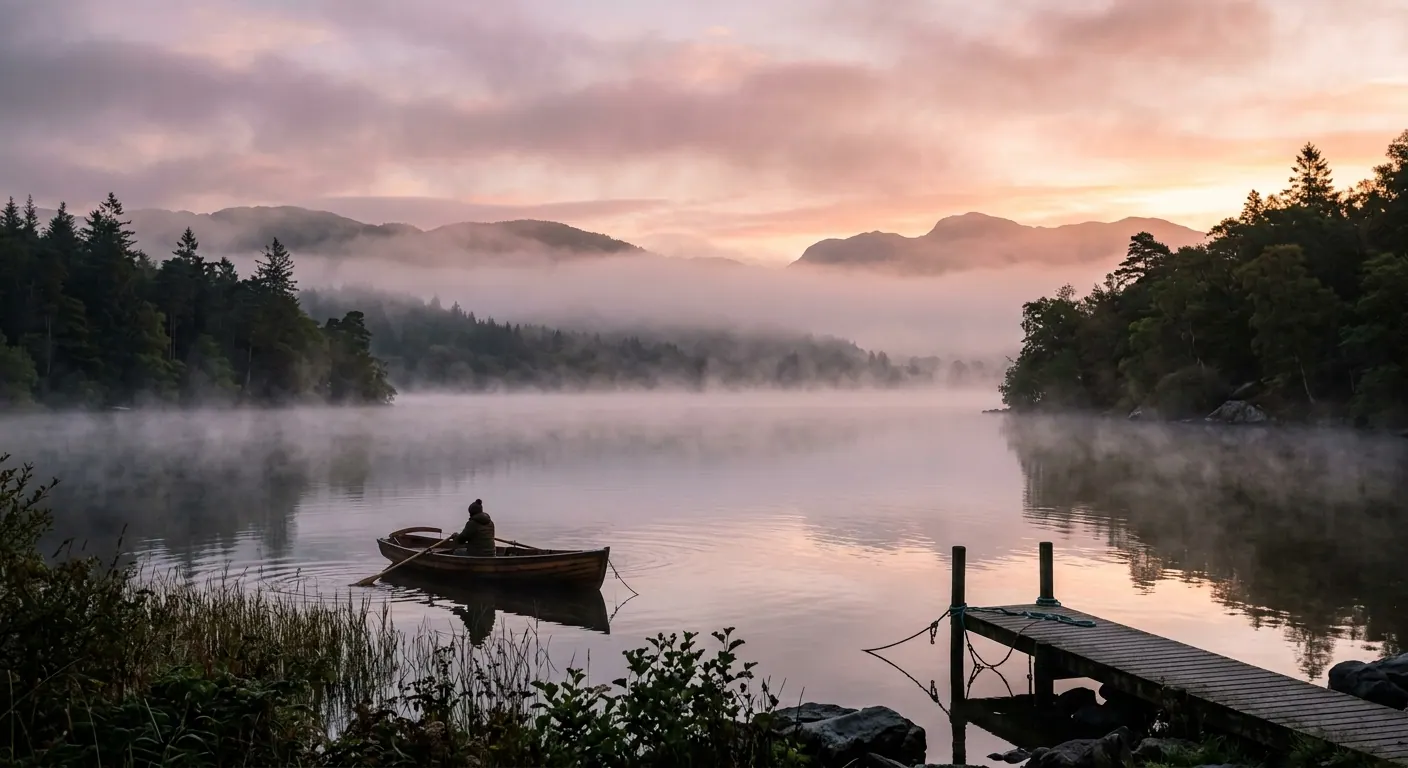
True freshwater territory. From fast rocky mountain streams, to vast dams and reservoirs, to swamps carpeted with lily pads and wild weeds.

Best Techniques
Casting (Frog lure / Soft lure), Negek (Pole fishing), freshwater bottom fishing, Fly Fishing.
Main Targets
Giant Snakehead (Toman), Snakehead (Gabus), Hampala, Tilapia, Mahseer, Carp.
Preparation & Specialist Gear
Wear long sleeves (UV protection wear), a neck buff, and a wide hat — the sun exposure is constant. In swamps, a Weedless Froggy lure is a must so the bait does not snag on lilies. Shallow water is best reached with a Belly Boat (float tube) or long fishing waders.

Predators

Pick your target fish.

Learn the habits, habitat, and weaknesses of your quarry before you cast.

  • Giant Trevally (GT)

    Giant Trevally (GT)

    Caranx ignobilis

    The meanest reef predator. Known for explosive power and extraordinary stamina in a fight. Often called the gear-destroying monster.

    Technique
    Popping / Jigging
    Habitat
    Strong-current Reefs
  • Yellowfin Tuna

    Yellowfin Tuna

    Thunnus albacares

    A deep-water speedster with the endurance of a torpedo. Its run goes straight down, testing your gear and your back muscles to the limit.

    Technique
    Jigging / Trolling
    Habitat
    Open Deep Water
  • Monster Grouper (Kerapu)

    Monster Grouper (Kerapu)

    Epinephelinae

    The ruler of the reef bottom. Loves to hide in holes and drag its prey straight into its lair. The initial strike is brutal and demands real lock-the-line skill.

    Technique
    Bottom / Slow Jigging
    Habitat
    Underwater Reef Caves
  • Barramundi

    Barramundi

    Lates calcarifer

    An exotic estuary fish that often goes airborne when hooked. Its gills are razor sharp and will cut straight through light line without a strong leader.

    Technique
    Casting / Bottom
    Habitat
    Estuaries, Mangroves
  • Giant Snakehead (Toman)

    Giant Snakehead (Toman)

    Channa micropeltes

    The most brutal freshwater predator in tropical waters. Its topwater attack is an explosive bang, with a rough fight that drags you toward snags and fallen roots.

    Technique
    Casting (Topwater)
    Habitat
    Lakes, Swamps, Rivers
  • Mahi-Mahi (Dorado)

    Mahi-Mahi (Dorado)

    Coryphaena hippurus

    An acrobatic leaper with vivid green-and-yellow colours that glow in the water. Swims fast in schools and hits surface lures with real aggression.

    Technique
    Trolling / Casting
    Habitat
    Open Sea (FADs)
  • Red Snapper (Kakap Merah)

    Red Snapper (Kakap Merah)

    Lutjanus campechanus

    A greedy reef dweller. Its first run is powerful, and its instinct is to dive straight back into the sharp coral once it takes the bait. Needs tight drag settings and solid gear.

    Technique
    Bottom / Slow Jigging
    Habitat
    Deep Reefs, Shipwrecks
  • Hampala (Jungle Perch)

    Hampala (Jungle Perch)

    Hampala macrolepidota

    The lightning-fast guardian of mountain rapids. This silver-scaled fish with a black horizontal bar hits lures (spoon/minnow) pulled fast across the current like a panicked baitfish.

    Technique
    Fast Casting
    Habitat
    Fast Rivers, Rocky Lakes
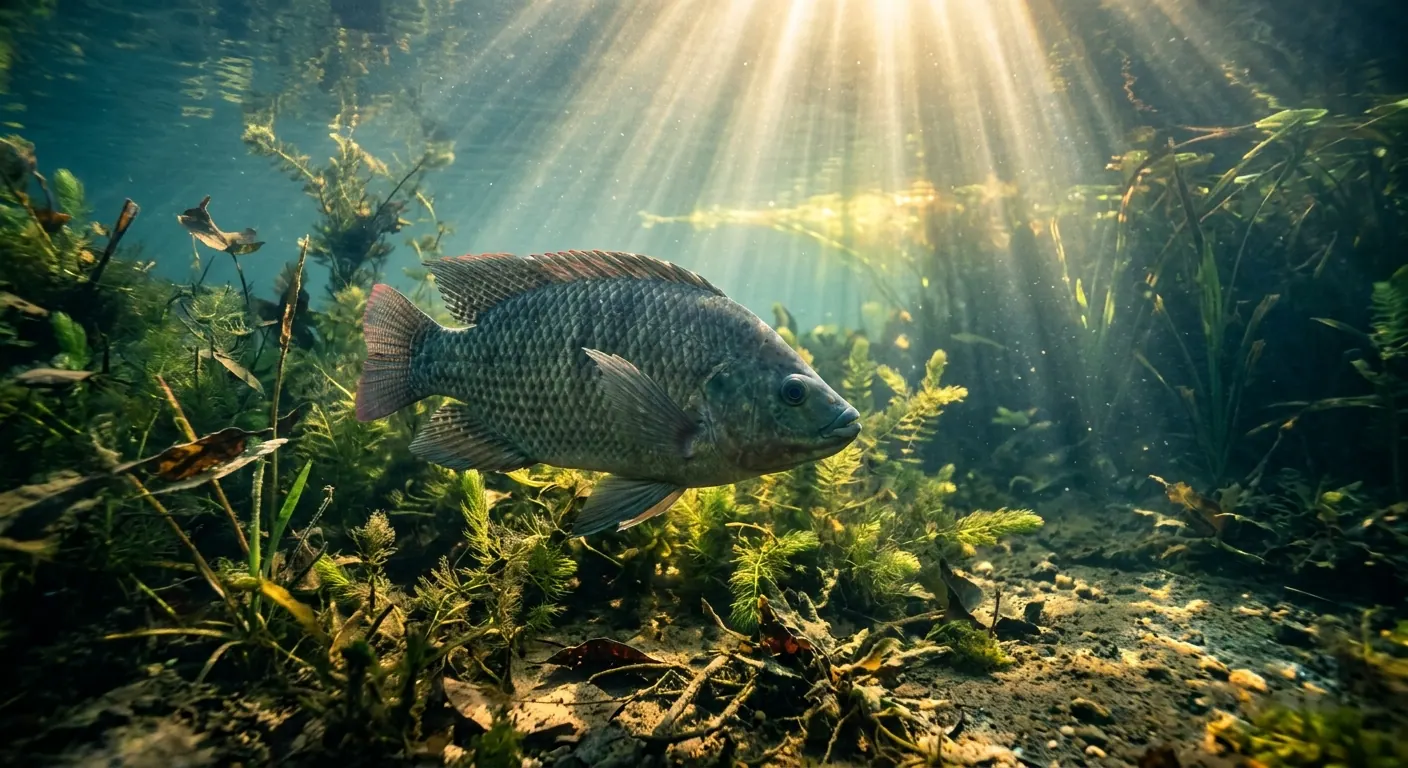
  • Large Tilapia (Nila Babon)

    Large Tilapia (Nila Babon)

    Oreochromis niloticus

    The people's freshwater fish. Territorial about its nest. Landing a big "babon" tilapia takes extraordinary patience, extra-sensitive float work, and precise moss or pellet bait.

    Technique
    Negek (Pole) / Light Bottom
    Habitat
    Reservoirs, Lily Ponds, Ponds

Go fishing. See you at the spot.

The gear is ready, the target is set. The best time to go fishing is whenever you have the time.